![[essential oil]](/imgs/clipart/portrait/yves_guillou_flower-03.png)
celeste:crystalfaery offers to facilitate energy transmutation, activation, or filling in frequencies missing from ones bodies, via bio-radionics transmission of frequencies from:
Herbs which are favorites of fairies include:
Here are 11 ways to feel better with essential oils:
"[Essential oils are very powerful.
You can rub them on topically, breathe them, and diffuse them into the air;
therapeutic-grade essential oils can also be taken internally.
Science is busy proving all the good things that oils do.
You can search
pubmed.gov for the latest
[unclassified] research on 'essential oil'.]" --
D.
Gary Young
Essential oils tonify:
Creating Tinctures and Essential Oils
Essential oils may be created by reduction of a tincture, by evaporation of the alcohol utilized to extract the plant essences from macerated plant parts to make the tincture.
The silent language of sex: No matter how often we scrub and clean ourselves, we still emit a unique and individual odor. Furthermore, we are profoundly affected by other people's odors as well as by smells in the environment. We communicate with a silent, invisible, often subliminal scent language whether at work, in the dining room, or at home in our bedroom.
Smell is mediated by olfactory receptors in the olfactory organ. Axons of the olfactory receptors enter the skull and go directly to a portion of the brain known as the olfactory bulb. Fibers from the bulb are part of a widespread and diffuse system in the brain known as the rhinencephalon (from the Greek word meaning "nose brain"). The sense of smell is actually an ex-posed portion of the brain that samples the external world as brain cells outside the skull.
Neuroanatomists have found the olfactory system to be unique because instead of going through the dorsal thalamus where the other senses establish relay stations to the neocortex (that new part of the brain that gives us our intellect), the Olfactory cells send their fibers directly to the brain. This part of the brain is now known as the limbic system, a term derived from the llmbus, or border, rimming the cortex of the brain. This so called nose brain also deals with the regulation of motor activities and the primary drives of sex, hunger, and thirst. Evolutionists now maintain that the two cerebral hemispheres of the brain actually developed from these olfactory lobes and that as the brain became more complex, the primitive limbic system remained at the forefront, exposed to the external world.
It has a primary position, they postulate, because olfaction was the first distant receptor that could operate eficiently in a watery medium. Since life evolved from the sea, the first part of the brain to develop was the area concerned with smell. Stimulation of the olfactory bulb shoots electrical signals to an almond-shaped nugget known as the amygdala, an area of the limbic system concerned with visceral and behavioral mechanisms, particularly those associated with sensory and sexual functions. These signals are then relayed from the amygdala to the brain stem, the turnpike that contains the interconnections between brain and body. Therefore, the electrical stimulation involved in smelling directly affects the digestive and sexual systems as well as emotional behavior. Odors produce strong emotional reactions and may be remembered many years after a single exposure. The sense of smell deteriorates with age and can be adversely affected by pollutants.
Healthy young persons can distinguish among thousands of different odors. Odor memory is less influenced by the passage of time than are auditory and visual memories. Once remembered, smells are rarely, if ever, forgotten. This is because they stir basic emotions and become associated with feelings. Memories can be instantly recalled if you catch a whiff of an odor from your childhood: the scent your mother used, your father's aftershave lotion, your home, your school. We are able to take one sniff and identify a single aroma from among thousands we have experienced in our past.
In a liter of air, a person can smell as little as one four-hundred-billionth of a gram of ethyl mercaptan (essence of rotten meat). That person would have to taste considerably more before noticing it. Smell is more than ten thousand times more sensitive than taste.
The nose can also smell directionally. The small difference in odor stimuli between the two nostrils is enough to reveal the direction of an odor source. The [mankind] nose is five times more sensitive than the rat's when it comes to detecting changes in odor intensity.
There have been many attempts, dating back to the eighteenth century, to classify odors. Most scientists accepted the notion that there were six or seven basic odors: ethereal, camphoraceous, musky, floral, minty, pungent, and putrid. These odors can be organized in a space known as the smell prism.
This structure suggests the existence of primary odors. However, mixtures of odorous substances fail to give clear support to the idea that all odors can be mimicked by some mixture of a fundamental set of odors. Sometimes mixtures produce unitary experiences, but most often a person can distinguish the components of a compound odor.
According to the stereochemical theory of odor, the odor of a substance is related to the shape of its molecules. The odors of substances composed of small molecules, however, are related to their chemical properties rather than their shapes. There have been numerous theories on how the brain receives and interprets information from the nose. Most of these are chemical theories that hold that molecules or particles of odorants touching the olfactory cilia are absorbed, creating an electrochemical change in the sensory cells of the nose, which then sends electrical signals to the brain.
Some believe that enzymes, the body's catalysts, are somehow involved in the recognition and relay of odor information. Others theorize the specific odor molecules fit into specific receptors in the nose just as a round peg fits into a round hole. Dr. John Amoore (of the United States Department of Agriculture Western Regional Research Laboratory) believes that there are at least thirty primary odors. Just as we combine primary colors such as blue and yellow to make green, we combine these different odors to create the myriad smells in our environment.
Dr. Amoore claims to have isolated four of these primary odors, three of which (isovaleric acid, 1-pyrroline, and trimethylamine) are suspected of being primate, and even [mankind], pheromones. The fourth (isobutyraldehyde) occurs in a wide variety of foods. Its malty odor may signal the presence of three indispensable amino acids needed in our daily diet. The primary odors yet to be identified may provide sensory input about foods, localities, and predators. The most intriguing are probably the pheromones, the sexual scents found in living creatures.
The term pheromone is a composite from the Greek, and means "to transfer excitement." It was coined in 1959 by German scientists to describe the sex attractants of insects. Although pheromones were once thought to be a sex bait for insects. new evidence indicates that smell is also part of the courtship language of reptiles, birds, fish, and mammals, including primates. There are exchanges occurring between men and women that are barely perceptible olfactory cues, even across a crowded room. The existence of [mankind] pheromones, while still in debate, has gained support with the discovery of apocrine glands.
Apocrine glands are narrow pits at the base of the hair follicles that produce an as yet unidentified scent chemical. Our underarm and genital hair is designed to collect this odor. As with all other mammals, [mankind] apocrines are small until puberty. The actual odors we release seem to be unique to each individual. Although quite subtle, this uniqueness in odor may account for individual preferences and pair-bonding.
The odor of trimethylamine is well known to organic chemists, who describe it as "fishy." It is formed by bacterial action on betaine, which sometimes taints the milk of cows and is most pronounced in dead fish that have not been refrigerated. There is a good deal of evidence that trimethylamine may be an important mammalian sex attractant, as well as a [mankind] pheromone.
The Swedish botanist Carolus Linnaeus noted in 1756 that the domestic dog was extremely fond of the odor ofs the plant Chenopodium vulvaria. It was given this Latin name for good reason -- it smells like [mankind] menstrual blood. Its tissue contains a large amount of trimethylamine. Trimethylamine is prominent in [mankind] menstrual blood, and it is a well-known phenomenon thats the odor of menstruating womens brings many male animals into a state of sexual excitation.
This suggests that trimethylamine might be a common estrus-signaling pheromone for several mammalian species. Sex pheromones are produced by both sexes. Among the pheromones identified so far among mammals, the male sex pheromones seem mainly to function as aphrodisiacs for the female, while the female sex pheromones apparently announce sexual readiness.
There may be debate about [mankind] susceptibility to pheromones, but external chemical messengers -- odors -- have been shown to penetrate the [mankind] subconscious. Within seconds after exposure to an unnoticed olfactory stimulus, the electrical resistance of the person's skin decreases, and changes occur in blood pressure, respiration, and pulse rate. It is assumed that a volatile chemical, not necessarily detected as an odor, causes changes in the brain.
More than five thousand years ago, Egyptians burned a number of sweet-smelling fragrances to the sun god, Ra, as he made his daily journey across the sky. The Egyptians also used perfumes for anointing their favored and embalming their dead. They taught their art of perfumery to their slaves, the Hebrews, who then recorded the use of many aromatic materials in their sacred books. When the Jews left Egypt, they took with them the knowledge of the power of perfumes and the formulas for making certain mixtures. In 1700 B.C., the Ishmaelites came from Gilead with their camels bearing a number of the spices and gums used in these formulas. Many are still used today in major perfume industries.
The Queen of Sheba also used perfumes to conquer. When she visited Solomon, around 800 B.C., she brought him fragrances and successfully seduced him,s adding another set of legends about the power of aromatics.
Babylon, Nineveh, and Carthage became great centers of perfumery in the seventh century B.C. The inhabitants collected aromatics from Arabia (gums), camphor from China, and cinnamon from India. These were exported by the Phoenicians to the entire world. The use of perfumes reached its zenith in 650 B. C. when the ruler Ashurbanipal dressed himself up like a woman, using cosmetics and perfumes.
The ancient Greeks learned the art of perfumery from the Asian countries. Hippocrates, the most famous Greek physician, outlined a study of the skin and advocated not only healthful living habits but also specially scented baths and massages. He also recommended perfumes as medication for certain diseases.
Since time immemorial perfumes and sweet-smelling herbs have played an important part in both religion and sex magic. Exotic scents have charmed and lured both men and women and are part of the broader system known as the alchemy of scent.
The lore of perfume is only the outer veil, the inner mysteries having been carefully kept secret. This sacred science, known as the arcane science of perfume, is based on laws of vibration and psychosensory responses observed over long periods of history. A true magical formula works on the subconscious mind, as well as the conscious, in order to elicit a specific predetermined response.
Specific formulas not only call forth a given response but can also condition the consciousness. It is a scientific fact that we all respond consciously and unconsciously to the vibrations of sound, color, and scent. Certain scents can cause us to feel or react in either an emotional or physical manner. Some scents stimulate the sexual centers in particular.
It is this science of psychosensory response that is behind all magical formulas. In her book, The Arts Magian (privately printed), Lady Sara Cunningham-Carter classifies all the various scents related to sexuality by their general planetary rulership as well as by their individual vibration. Research and experimentation should lead you to some exciting and rewarding discoveries. The oils for the planet Venus (goddess of love) are but a few of the oils covered in her text:
The nose is used to symbolize a whole range of attitudes.
When we stick our nose into other people's business we are interfering.
When we stick our noses up in the air we are snooty.
If we thumb our noses at someone we signify rejection. And, of course,
if we rub noses with someone we demonstrate afection.
Lifestream
12411 Vulcan Way
Richmond, BC. Canada V6V 117
Golden Bough Herbs
103-326 East Kent Avenue. 5
Vancouver, BC.
Canada VSX 4N6
Hurov's Tropical Tree Nursery
Box 10387
Oahu, HI 96813
Wilcox Drug Co.
P.O. Box 391
Boone, NC 28607
Sweethardt Herbs
Box 12602
Austin. TX 78711
S.B. Penick and Co.
100 Church Street
New York. NY 10007
Meer Corp.
9500 Railroad Avenue
North Bergen, NJ 07047
Nature's Way Products
PO. Box 2233
Provo, UT 84601
Star and Crescent Herbs
8551 Thys Court, Suite C
Sacramento, CA 95828
The Whole Herb Co.
250 E. Blithedale
Mill Valley, CA 99494
San Francisco Herb, Tea and Spice
4543 Horton Street
Emeryville, CA 94608
China Herb Co.
1053 Tenth Street
San Diego, CA 92101
Magee Fur Co.
Eolia, MO 63344
E.L. Scott & Co.
One World Trade Center, Suite 2347
New York, NY 10048
Flower Essence and Essential Oil Blends
by Rhea Anastacia
Black Swan: Night Blooming Cereus, Spider Lily, Marigold, Tahitian Gardenia, Shiva Lingam, Amber, Myrrh, Frankincense. This essence is for shadowplay. Understand and accept the balance of light and dark. Attune with the natural lunar cycles. Get in touch with your unconscious and dreamtime. Explore your shadow side and learn to use its powerful energies in productive ways. Face that which you fear so you may be free and align with your highest self! (To support you in further integrating your shadow, i recommend watching, "The Shadow Effect", by Debbie Ford, or check out her books.
Divine Union: Honeysuckle, Anthurium, Bird of Paradise, Wild Rose, Noni, Angel's Trumpet, Aquamarine, Rose Quartz, Geranium, Spikenard, Cinnamon, Basil, Patchouli Increase embodiment of your true self. Reunite your inner masculine and feminine. Dissolves blockages in the energy body, increasing flow of creative energy. Realize you already have everything you need inside yourself..Trust the Divine Wisdom Within. Mist yourself and your mat before your yoga (union) practice to deepen your meditation. You are your own guru.
i Am Peace, Home, Nourish, Calm, Mother's Love: Kukui, Passion Flower, Poinsettia, Noni, Impatiens, SweetPea, Emerald, Garnet, Lavender, Rose. Return to your highest vibration of Love, Trust, Acceptance, Gratitude and Joy. A warm hug when feeling unsettled or vulnerable. A deep breath of presence in the now. Dissolves tension, fear, anxiety. Radiate Peace, Let your Light Within Shine out to All. Feel the support of Mother Gaia, loving us always.
Kiss: Hibiscus, Red Ginger, Orchid, Frangipani, Banana, Ruby, Carnelian, Rhodochrosite, Pikake, Rose, Bergamot. Heart-centered love, enhance sensuality and romance, feel comfortable and confident in your physical body. Connects mind, body, spirit to deepen your connection.
Messenger: Trumpet Vine, Allamanda, Iris, Cosmos, Zinnia, Angelite, Pink Lotus, Grapefruit Inspires divine creative expression in everyday activities. Speak and act confidently from the heart. A joyful, lighthearted essence that connects your spirit with your art (dancing, singing, painting,writing,etc). Expect messages from your angels. Believe that great things are about to happen. Remember, you create your reality through your thoughts, feelings, actions and beliefs. Enhance your ability to perceive synchronicities and feel connected to your Higher Self.
New Creation: Lehua, Bird of Paradise, Blue Jade Vine, Royal Poinciana, Lava Rock, Rosemary, Marjoram. What do you want? Believe you deserve it. Discover, cultivate, and birth your vision. Let go of old beliefs that inhibit your development. Stimulates your desire to contribute to your community. Aids awareness of how you gain or lose energy. Maintain and focus life force energy in your womb of creation.
Pure Light: Aloe Vera, Morning Glory, Pineapple, Lantana, Hydrangea, Amethyst, Peppermint, Neroli. Receive fresh, vibrant life force, release old murky energy. Energize the auric field, and cleanse the body and mind; great for use during a detox or fast. Promotes a healthy relationship to food. Also used to regulate temperature in the body, reducing inflammation. Circulate heat away the head, down to your center. Soothe and gently wash away old wounds. See yourself as balanced, healthy and whole. Trust in your body's wisdom to heal itself. Excellent for clearing and refreshing your home, car, office. Spray after you clean to keep the place tidy longer. Spray your precious objects (gemstone, jewelry, etc), to recharge, cleanse, activate.
Sovereignty: Sensitive Plant, Ti, Bougainvillea, Diamond, 24 Carat Gold, Citronella, Sage. An energy shield for those who are sensitive. Maintain your openness without taking on outside energies. Increase security within yourself and feel empowered to stand your ground, speak your truth, and set appropriate boundaries. Detach from others' judgments and dramas without feeling isolated.
You Can Do It, Sweetheart: Tomato, Sunflower, Morning Glory, Tiara Gardenia, Star of Bethlehem, Malachite, Alaskan Cottenwood, Spearmint, Lavender, Helichrysum. Cultivate compassion for yourself, strengthen willpower and confidence. Overcome addictions, increase motivation. Love yourself as you are while allowing yourself room to expand and step more fully into your truth.
Complete Book of Essential Oils+Aromatherapy by Valerie Ann Worwood
Four Thieves Formula:
3 pints	white wine vinegar
handful	wormwood
handful	meadowsweet
handful	juniper berries
handful	wild marjoram
handful	sage
50	cloves
2 oz.	elecampane root
2 oz.	angelica
2 oz.	rosemary
2 oz.	horehound
3 g.	camphor
Dr. Jean Valnet, MD.'s antiseptic:
Marseilles / Four_Thieves Vinegar

40g.	greater wormwood, Artemisia absinthum
40g.	lesser wormwood, Artemisia pontica
40g.	rosemary
40g.	sage
40g.	mint
40g.	rue
40g.	lavender
05g.	calamus
05g.	cinnamon
05g.	clove
05g.	nutmeg
05g.	garlic
10g.	camphor (do not use synthetic camphor)
40g.	crystallized acetic acid
2.5Kg.	white vinegar
Instructions: Steep the plants in the vinegar for 10 days. Force through a sieve. Add the camphor dissolved in the acetic acid, filter.
Valnet says this remedy, i.e., his formula is useful in the prevention of infectious diseases. He says to rub it on the face and hands and burn it in the room. It can also be kept in small bottles that are carried on the [body] so that the vapors can be inhaled.
Dr. John Christopher Plague Formula
8 parts	apple cider vinegar
5 parts	glycerine U.S.P.
5 parts	honey
2 parts	garlic juice, fresh
2 parts	comfrey root or slippery elm concentrate
1 part	wormwood concentrate
1 part	lobelia leaf and/or seed concentrate
1 part	marshmallow root concentrate
1 part	oak bark concentrate
1 part	black walnut bark concentrate
1 part	mullein leaf concentrate
1 part	skullcap leaf concentrate
1 part	uva ursi, hydrangea, or gravel root concentrate
How to make the concentrates: Each concentrate should be made individually. Start by soaking the herb for four hours or more in enough distilled water to cover it completely. After soaking, add more distilled water so that the total added equals 16 oz. (.5 liter) water per 4 oz. (113 grams) herb. Use a multiple of these amounts for a larger quantity of formula. Using these amounts approximately one gallon (3.75 liters) of the formula will be produced. After adding the appropriate amount of distilled water to the soaked herb, simmer the herb on very low heat in a covered pan or double boiler for thirty minutes. Then strain the liquid into a clean pan. Put the liquid into a double boiler or on very low heat (uncovered) and simmer (steam) it down to one fourth of the original volume (4 oz. 1256 ml). Only after all ingredients have been prepared should the liquids be mixed.
Karen Vaughn, Licensed Acupuncturist and Herbalist.
1 pint	unpasteurized apple cider vinegar
5 drops	rosemary oil
5 drops	oregano oil
5 drops	lavender oil
5 drops	sage oil
5 drops	peppermint oil
5 drops	clove oil
4 drops	lemon oil
3 drops	black pepper oil
1 drop	capsicum oil
1 head	garlic finely diced
3 oz	ginger finely sliced
4 oz	echinacea tincture
Be sure to use unadulterated, therapeutic grade essential oils. Do not use metal cap on bottle.
Ingrid Naiman's Potent Protector Contains:

Alpinia officinarum (galangal),
Allium sativum (garlic),
Zingiber officinalis (ginger),
Juglans nigra (black walnut),
Artemisia annua (sweet Annie),
Lomatium dissectum,
Verbascum thaspus (mullein leaf),
Arctostaphylos uva-ursi (bearberry),
Ulmus rubra (slippery elm),
Ligusticum porteri (osha),
Capsicum minimum (cayenne),
Black cumin,
Nutmeg,
Coriander,
Cinnamon,
Cloves,
Camphor in distilled water,
organic alcohol (21%+-1),
organic honey,
vegetable glycerin,
organic cider vinegar

with essential oils of

wild oregano,
rosemary.
About Reports of China Using High-Potency Vitamin C Therapy By Anna Von Reitz 2020-02-14 14:46
Vitamin C is helpful because it is the cellular energy transfer system that is being harmed by the corona virus. Some citrus essential oils are also very, very effective and powerful surface germ-killers, too.
In terms of killing the corona virus or any other virus on solid surfaces (and bacteria, too) a cleaning solution made by boiling peels from half a dozen oranges in two quarts water, 1/2 c. vinegar per quart of water, and 1 Tbs. salt and using in a spray bottle is very effective. Lemon peel can also be used. If you don't like the smell of citrus (I do, but some people don't) you can also substitute eucalyptus, tea tree, or oregano oil for the citrus peel and get the same germ killing power.
The same basic solution can be used to
rinse your mouth or hands or sprayed on laundry as a pre-wash,
though I prefer using
coconut oil with a little essential oil of cinnamon or cloves as a
germ-killing mouth wash.
Stripping off street clothes promptly,
spraying them lightly,
and storing the dirty clothes in plastic bags until you are ready to wash them
helps kills any virus or bacteria and isolates the pathogens you pick up from
getting spread around inside the house.
Adding a few drops of a germ-killing essential oil to your laundry detergent
will not only help kill virus and bacteria,
but will make your clothes smell wonderful.
Giving a quick spray to your shoes and keeping them sequestered near the door helps keep both germs and dirt outside. Orange oil mixed with a good carrier oil and a little beeswax makes a good (and disinfectant) boot oil that kills germs on contact.
Cinnamon, cloves, allspice, and nutmeg essential oils all kill bacteria and viruses very effectively. During the Bubonic Plague, sailors on the spice ships proved immune because of their constant handling of these spices. The importance of this was not immediately realized, but after the fact has contributed to the use of these essential oils in diffusers and in carrier oils as one of the few truly effective means of combating and overcoming all forms of viral pneumonia. I suffered viral pneumonia every year for five years straight and nearly died one winter, before a friend brought me a diffuser and essential oils.
One company, Be Young, even makes a mixture of essential oils called "Spice of Life" that mimics the combination of oils that would have been found on the medieval spice ships that proved so effective in combating the Plague.
A ten to one ratio of a good carrier oil (I would prefer coconut oil for its antiseptic properties, but almond oil, avocado oil, and olive oil all work fine) to any of these germ-killing essential oils works as a good and long lasting barrier on your skin. During cold season I regularly apply these diluted essential oils to my lips and around the rim of my nostrils and as long as I do so, I never get colds. The essential oils are effective in penetrating and killing virus and bacteria in the nasal passages.
Rubbing these diluted essential oils on your hands before going grocery shopping, wiping it on the steering wheel of your car, and other surfaces, is a sure way of cutting down or eliminating germs of all sorts.
This is no time for hysteria, and I am not suggesting any, but keeping good hygiene practices and protecting your health is always a good idea no matter what.
Once you get used to buying and using a few of Nature's plentiful and (most-often) pleasant smelling essential oils as part of your cleaning routine and learning how effective they are, you will throw away the majority of the expensive over the counter cleansers and spray bottle products you now use -- saving yourself money and promoting your family's health at the same time.
Always remember that essential oils are very, very concentrated. Only a drop or two goes a long way and they should always be used in a diluted form -- either by adding to carrier oils or by floating them on the surface of water, as in a boiling pot of water on the stove, or in a ultrasonic diffuser.
Just the act of making the citrus peel-vinegar-salt solution has a strongly disinfecting effect on your kitchen and you can obtain a similar effect by adding a few drops of essential oil to hot bathwater or running an ultrasonic diffuser in your bathroom. Running an ultrasonic diffuser in your bedroom can help calm your nerves and disinfect your surroundings and air passages at the same time. Try a mixture of orange and cinnamon oil with a few drops of lavender or rose oil.
In no time at all, you will notice the health benefits and the way your mood lifts, too. We were meant to be in close contact with the natural world, and essential oils help bring us back in contact with all that is most life-affirming and life-sustaining. During the Dark Ages -- then as now -- when witchcraft involving Black Magic was widely practiced, essential oils were used to protect homes from "evil spirits".
I'm not sure that a good dose of lavender oil and Bay Leaves in a quart of water bubbling on the back burner could really keep Bill Clinton away, but it couldn't hurt!
See this article and over 2200 others on Anna's website.
    Bergamot - for skin healing and reducing anxiety
    Chamomile - for cold, fevers and nausea
    Clove - for relieving pain
    Eucalyptus - for relieving pain; a decongestant
    Frankincense - for reducing stress and improving mood
    Lavender - for inducing sleep
    Oregano - for skin healing
    Peppermint - for boosting energy and preventing cold and flu
    Rosemary - for join pain and boosting skin and hair health
Feed: Young Living Blog
Title: How essential oils are made
Author: Young Living
Date: Fri, 14 Aug 2020 05:29:14 -1000
Link: https://www.youngliving.com/blog/how-are-essential-oils-made/

[image 1]

Hey, essential oil fans! We know there are hundreds of reasons to love every
drop, but do you know how essential oils go from botanical to bottle?
Understanding the processes behind bringing you every drop will make you love
them even more!

Sourcing essential oils

Fun fact: By the time you open a fresh bottle of Young Living essential oil,
it's been tested almost 100 times! Thanks to our Seed to Seal(R)[2] quality
commitment, we ensure you're getting the products you deserve through our
stringent processes. This commitment is one of the reasons Young Living
essential oils come from our hand-selected suppliers, Young Living partner
farms, or corporate-owned farms.

Fun fact: We also take our practices very seriously when extracting essential
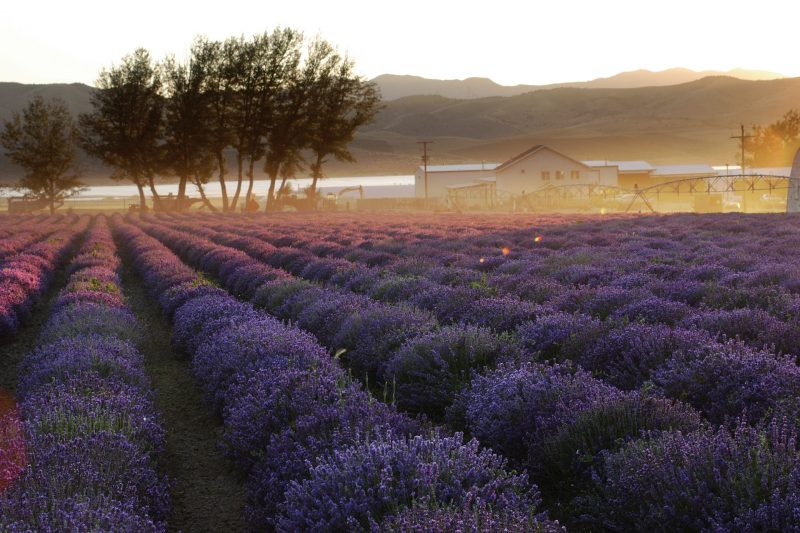
oils. At Young Living's Lavender Farm and Distillery in Mona, Utah[3], no water
is wasted in the steam distillation process, and the reduced amount of water we
use saves roughly 260 million gallons a year.

Below, you'll see how we take our lovingly harvested botanicals to bring you the
oils you know and love.

Extracting essential oils

You may have heard terms like "extraction" and "distillation," but what do they
mean and how are they different? Extraction describes the general process of
separating essential oils from plant matter, and distillation is one method of
extraction. Most of our plant materials are distilled to give us essential oils.
Find out why these terms matter.
[image 5][5]

Types of essential oil extraction

Check out our two primary methods of turning plants into essential oils.

Steam distillation

This is the most commonly used method for Young Living essential oils:

1. Harvested plant matter in a distilling apparatus suspends over boiling water.

2. Steam pulls oil from the plant.

3. Steam rises into a vessel and is pushed through a tube.

4. Steam cools and condenses back into water.

The oil separates from the water and is collected.

The remaining water (depending on the oil) becomes hydrosol, a product created
from plants that contain water-soluble aromatic compounds. One worth trying?
Royal Hawaiian Sandalwood[image 7] Hydrosol.[7]

Fun fact: One way we harvest plant matter is resin tapping. Resin[8] is a
sap-like substance that flows from trees to protect them from damage. Through a
sustainable process that keeps the tree alive and thriving, we tap the tree to
release the resin, dry it, and then distill it. Some oils you know and love come
from this process, including Frankincense[9], Myrrh[10], and Elemi[11]!

Cold pressing

Another method of extraction is cold pressing, which usually involves the entire
fruit. Our citrus oils, like the luxuriously scented Bergamot[12], come from
this method, and the oils extracted are bright and fragrant.

1. Fruit is washed thoroughly.

2. The fruit is placed in a container where it is agitated by spikes, grating,
or other methods to bring the oils to the surface.

3. Water is sprayed over the fruit and mixed with the essential oil released
from the punctured botanical material.

4. The essential oil is collected and separated from the water.

The YL difference: There are other methods of essential oil extraction, but
Young Living carefully chooses the best, purest method for each botanical, so
you get the highest-quality oils.

Why are essential oils called essential?

Essential oils feature powerful aromas because they're the essence of plants.
They're also essential in supporting emotional and physical wellness[13],
including beauty[14] and nighttime routines[15]. We call them must-haves, and
for good reason!

Expand your essential oil knowledge! Find out whether essential oils really
work[16] and discover Smart Spectrum CBD[17] on The Lavender Life!

Did you learn anything about how essential oils are made?

Tell us in the comments!
[image 18][18]

The post How essential oils are made[19] appeared first on Young Living
Blog[20].

Links: